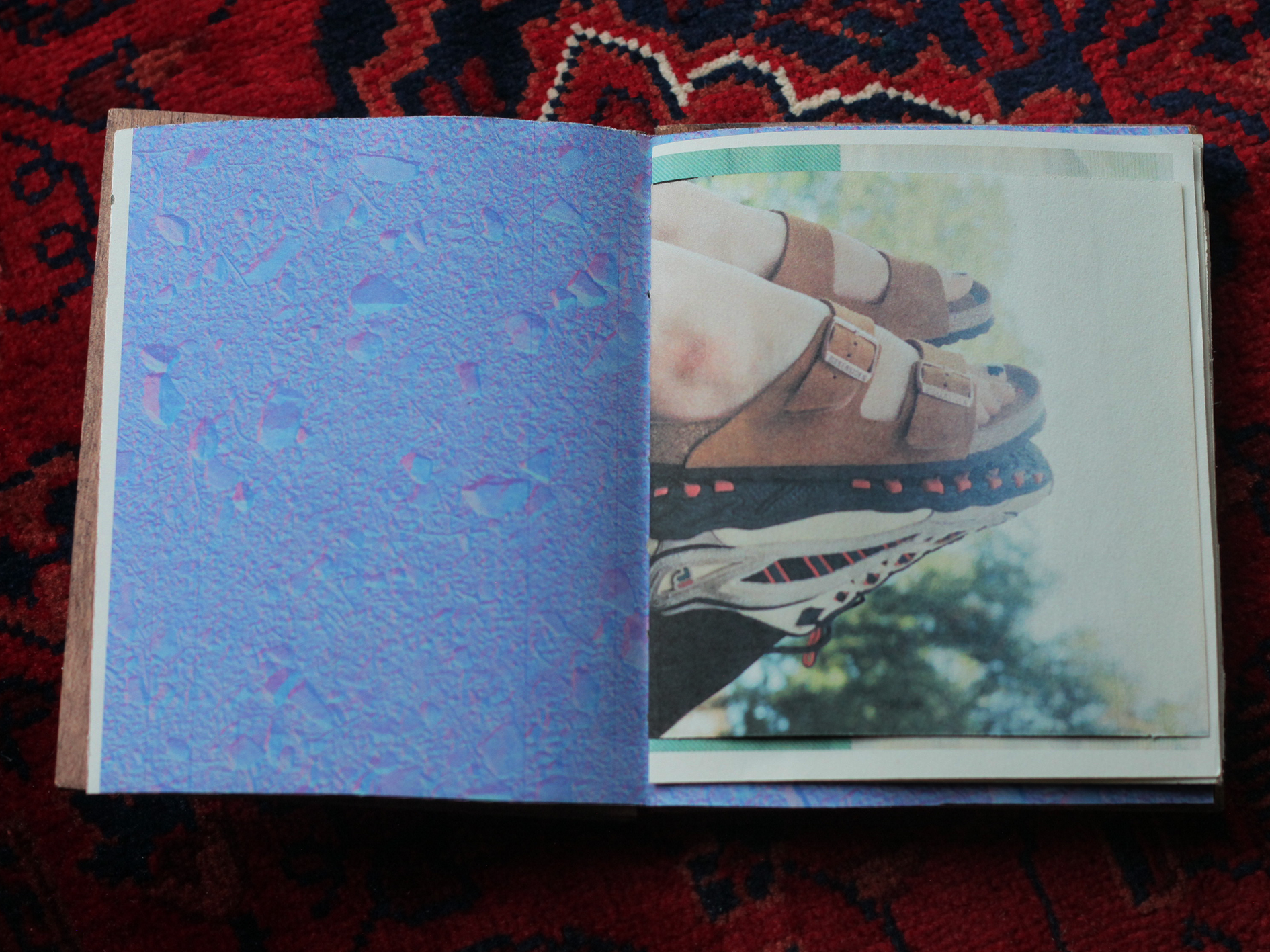
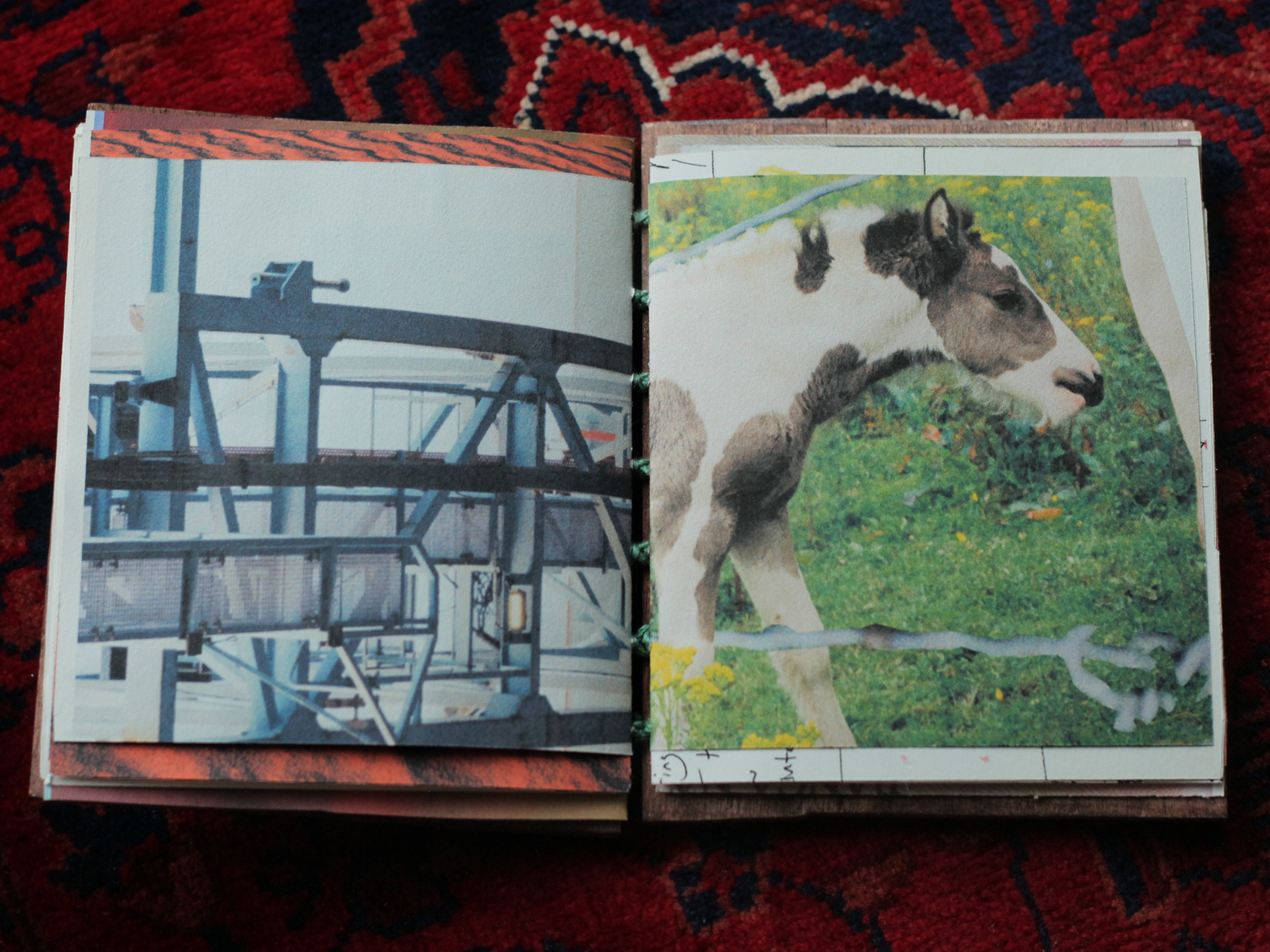
Book of Interesting Things
Walnut, printed matt paper, twine150 x 130 mm
2020
A small book of 4 editions. Each containing a selection of images and interesting things.




Fine particle visualisation
Fine particle visualisation
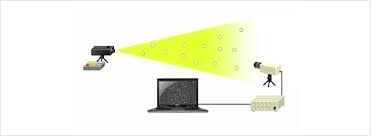
A fine particle visualisation system is a system that displays the weak scattering of light that happens when a fine particle collides with a laser beam. By using a ultra high sensitivity video camera the system can visualize occurrences of fine particles and their movement in a real time video recording. The system is useful if you:
![]()
These are the tools that are needed:
Ultra high sensitive video camera
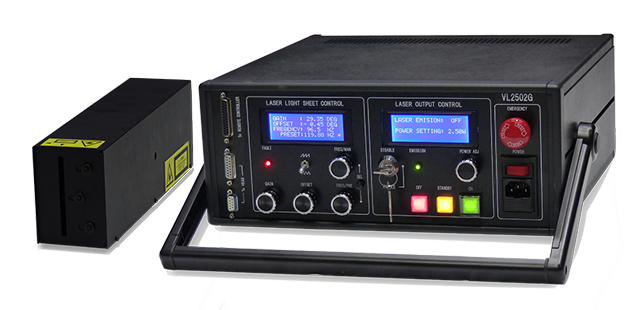
![]() Laser light sheet source 'Parallel Eye H' for the fine particle visualization
Laser light sheet source 'Parallel Eye H' for the fine particle visualization
![]()
Laser light sheet source 'Parallel Eye F' for the flow visualization
![]()
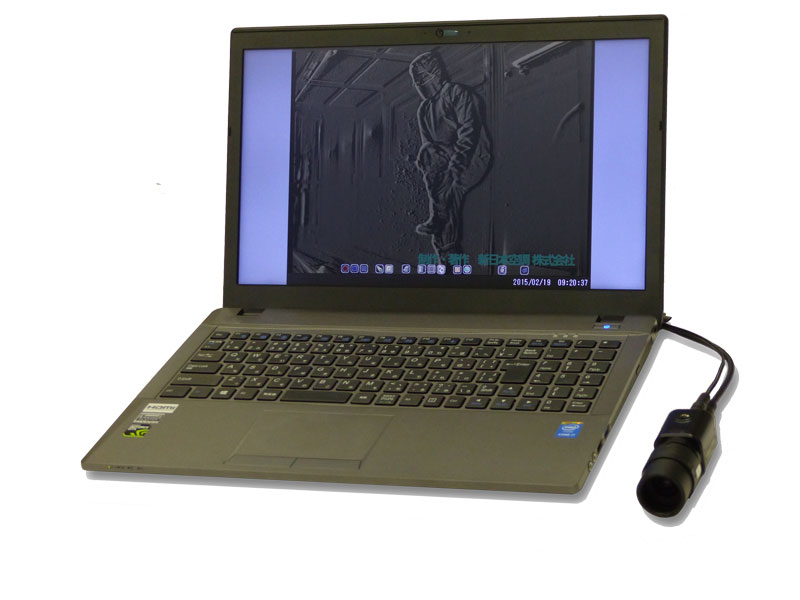
Image processing package for the fine particle visualization
![]()
Sources:
https://www.shinsung.co.kr/eng/research/skill/11020205
https://www.snk.co.jp/particle/particle_en.html
- want to find out the cause of contamination.
- want to visualize airflow with tracer (mist, smoke, etc.) in the amount as little as possible.
- want to evaluate not only floating particulates but also foreign materials sticking to product surfaces.
- want to evaluate large-sized particles and dust rather than particulates.
- suffer from the situation where the contamination occurred within production equipment and it is hard to solve.
- want to evaluate misty materials, rather than particles.
- want to optimize the layout of clean rooms and production facilities.
These are the tools that are needed:
Ultra high sensitive video camera

Laser light sheet source 'Parallel Eye F' for the flow visualization
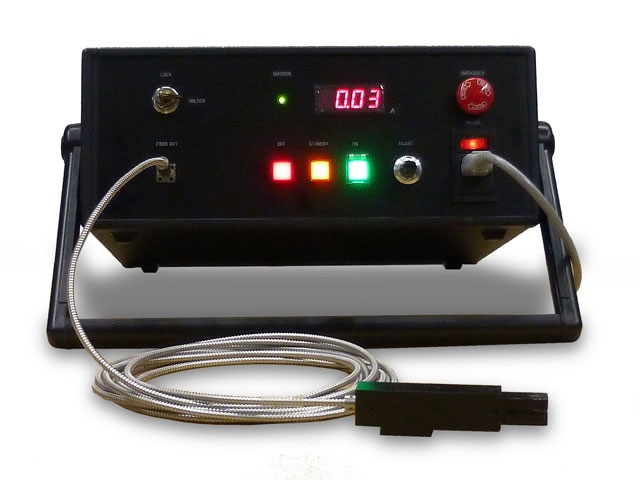
Image processing package for the fine particle visualization
Sources:
https://www.shinsung.co.kr/eng/research/skill/11020205
https://www.snk.co.jp/particle/particle_en.html
Motion amplification technology
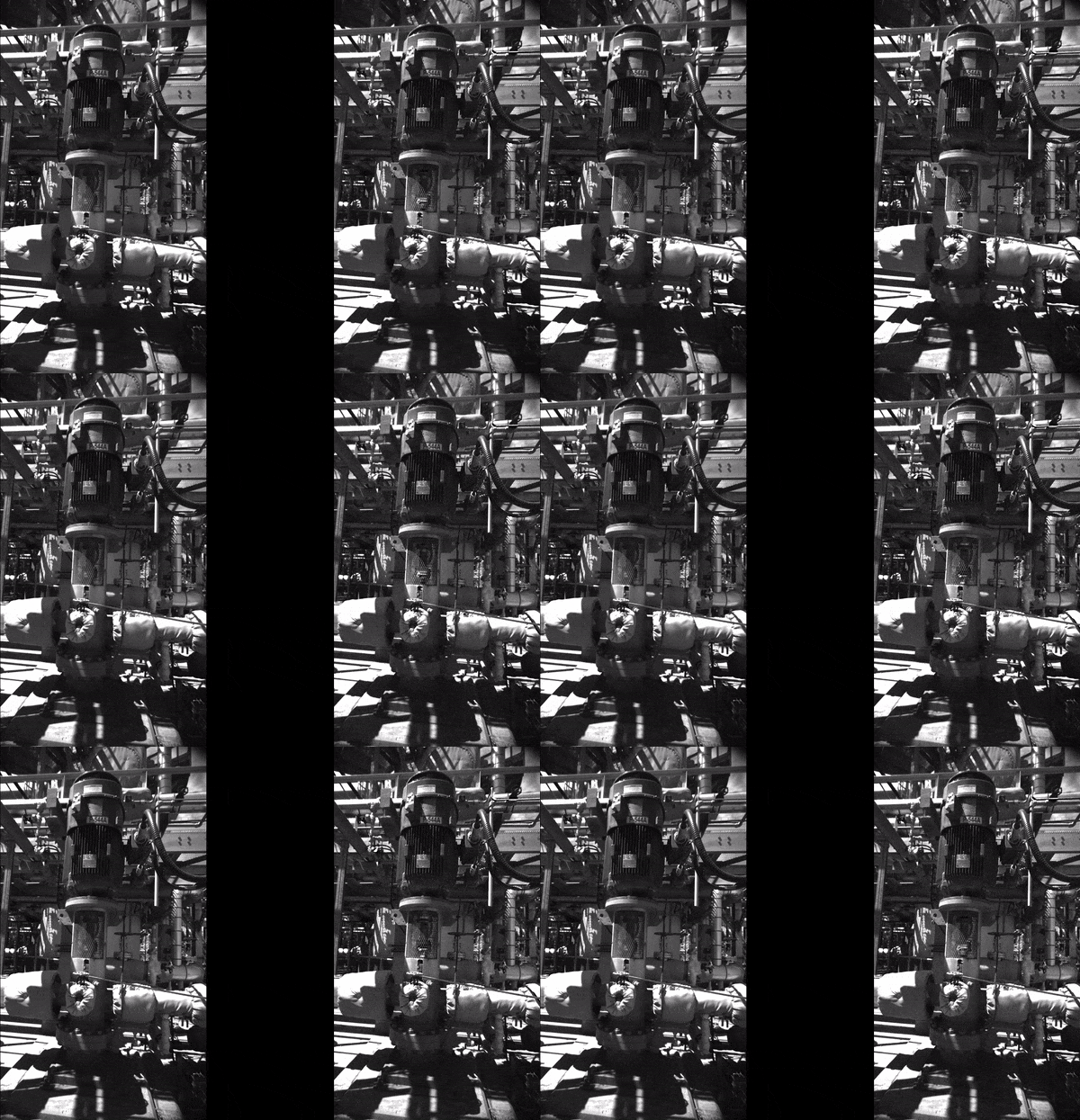
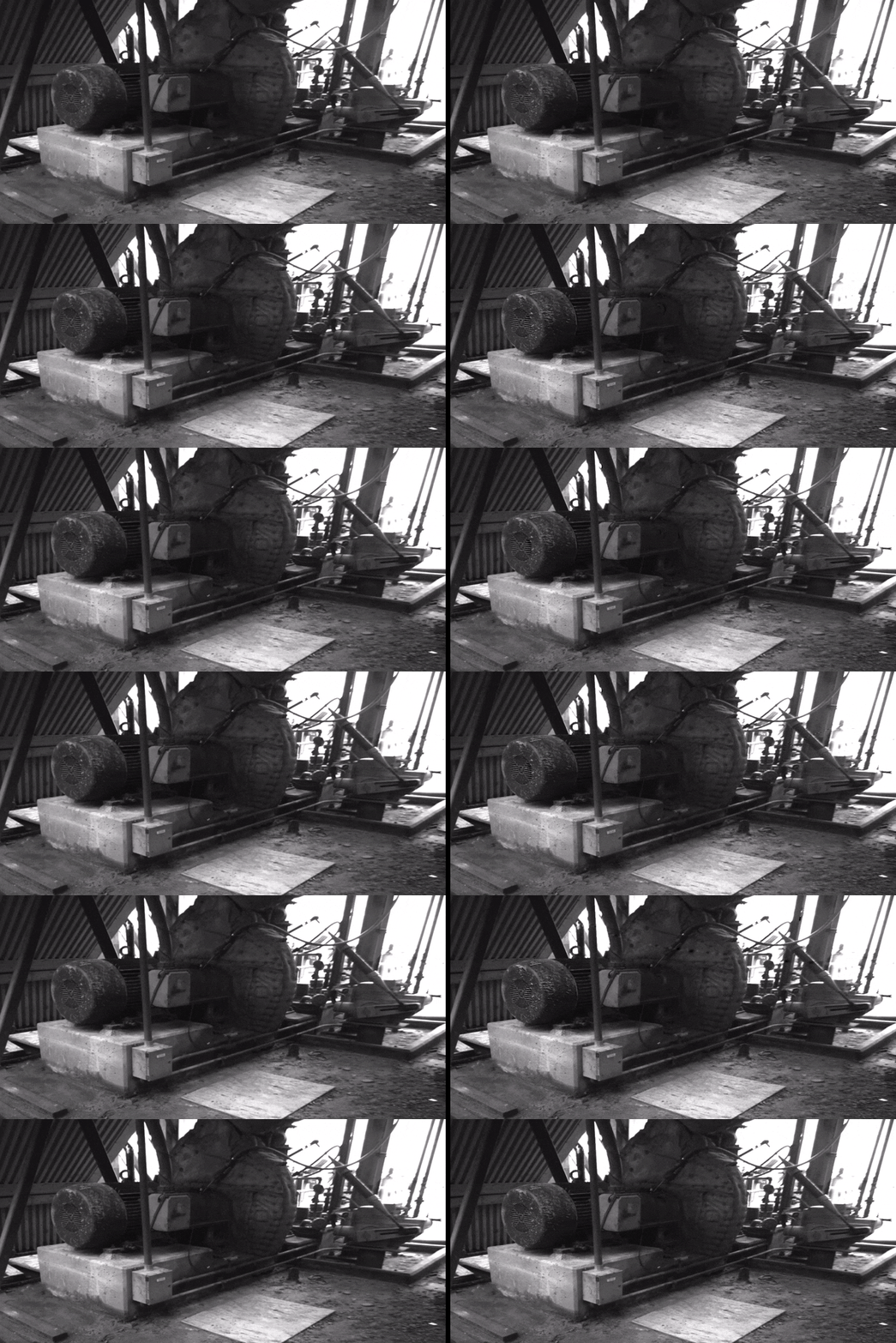
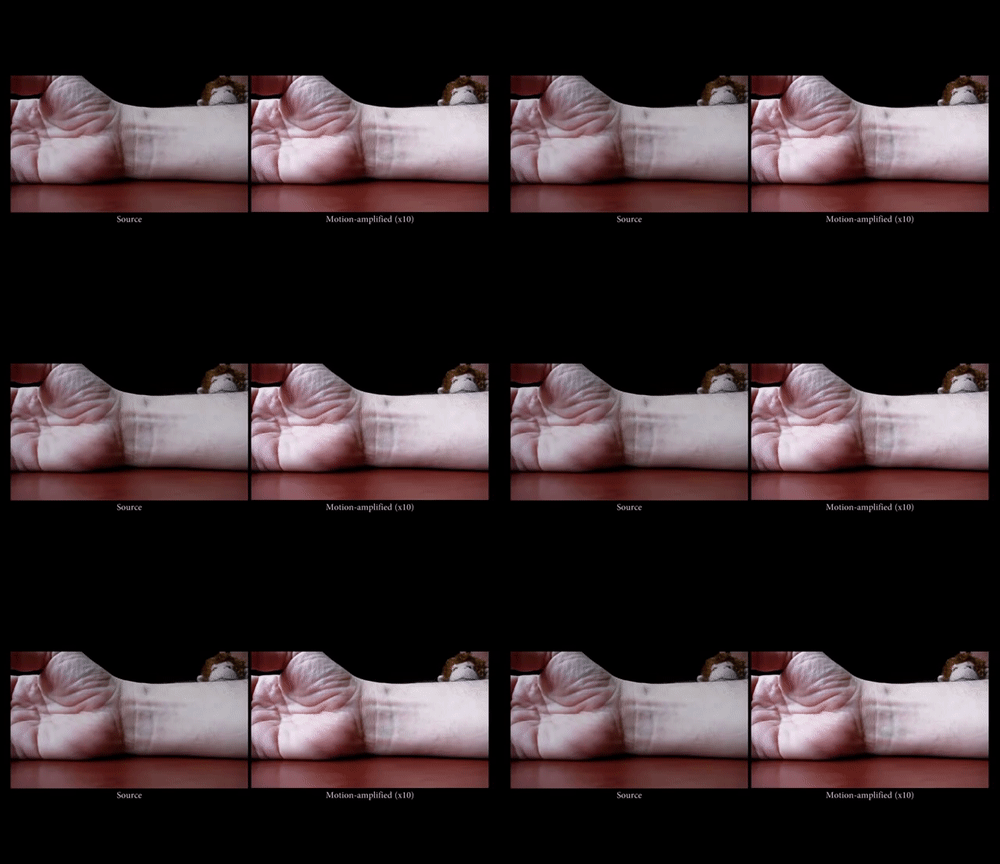
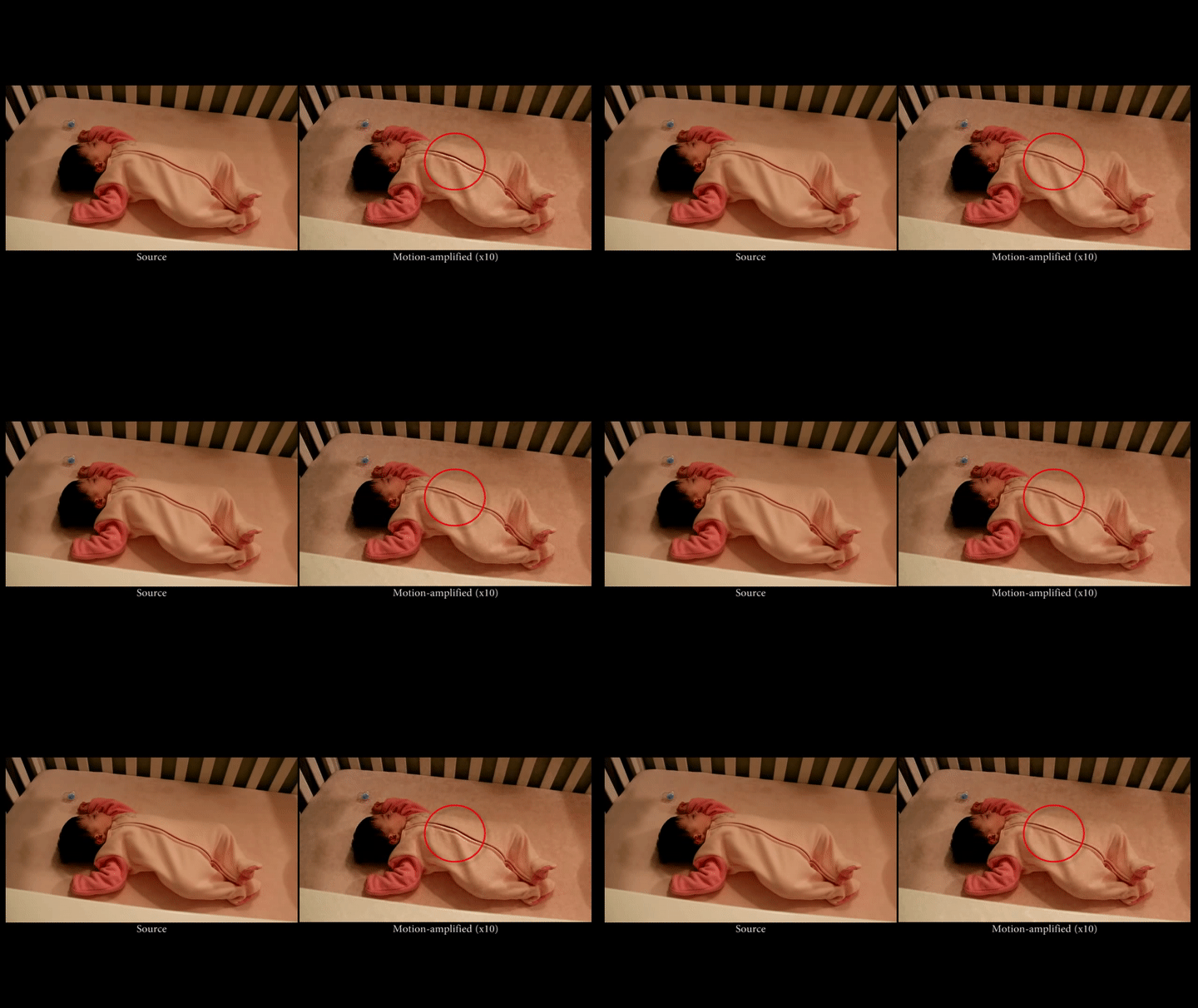
Through the use of motion amplification technology, a computer is able to analyse video footage and through the detection of changes in pixel contrast can detect miniscule movements and ampliy them to a degree that the human eye can detect them. This is extreemly useful in industrial settings, as a vibration undetectable to the human eye might unscrew a nut or bolt within a few days.
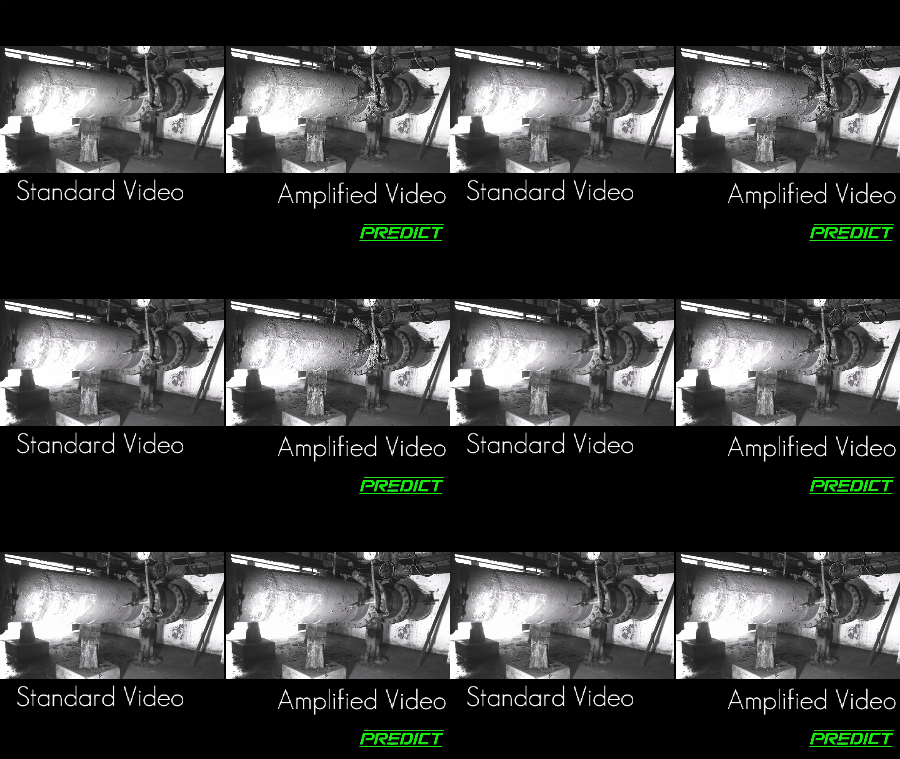
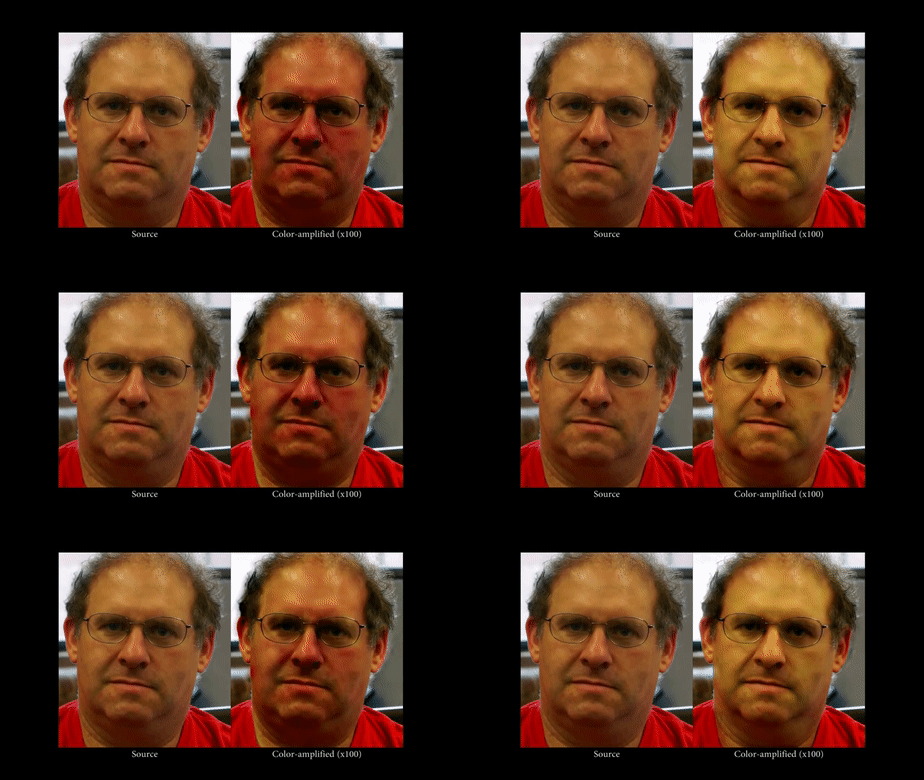
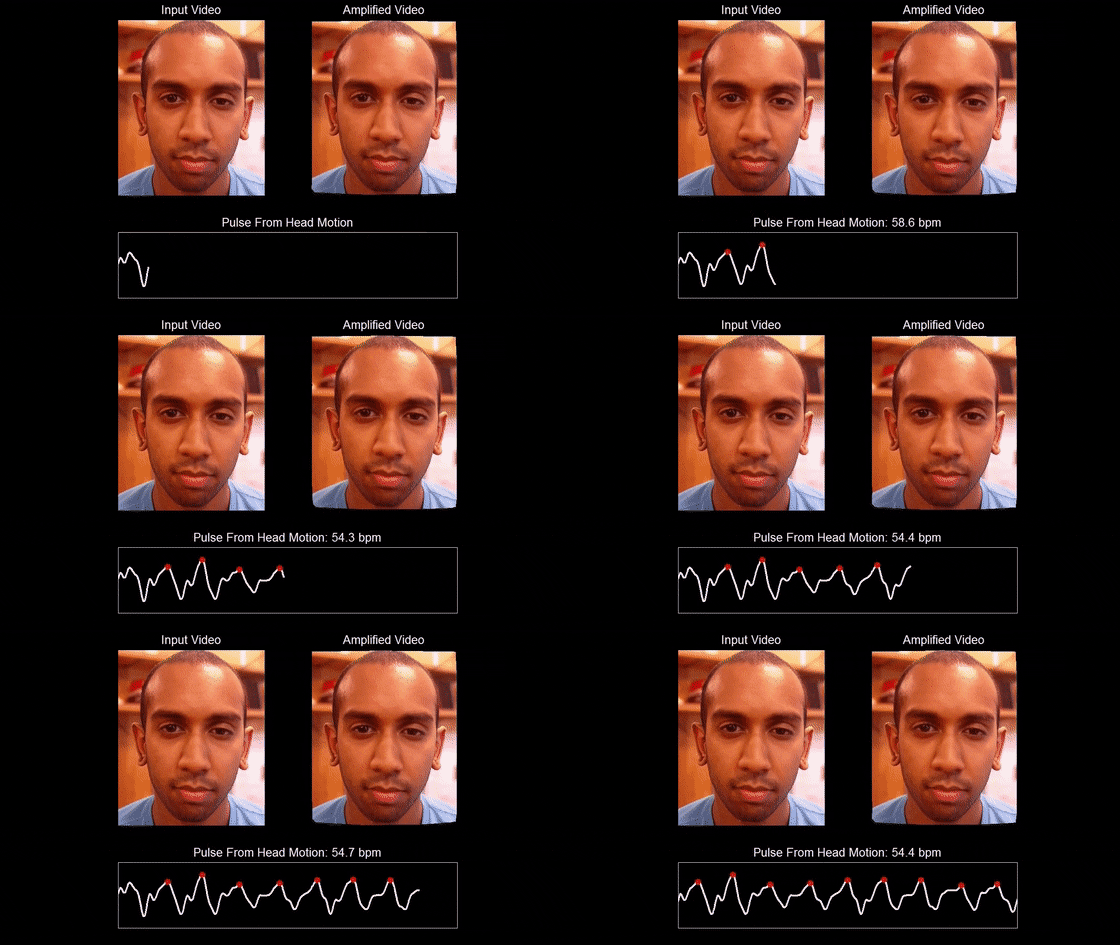
The technology also has various medical uses as it can easily switch from pixel contrast detection to pixel hue detection. This means that it can detect tiny changes in colour and magnify them, to show things like a person’s pulse from just the colour of their face.
Decellularization
Decellularization is a process whereby living cells and nuclear material are removed from tissues without affecting the structural integrity and composition of the cells. By removing all the insides of the cells all that is left is the cells natural scaffolding. To achieve this the tissue (plant or animal) is soaked in a salt called Sodium Dodecyl Sulfate (SDS).

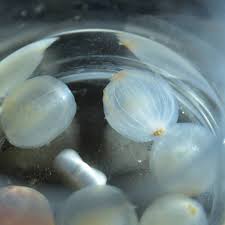
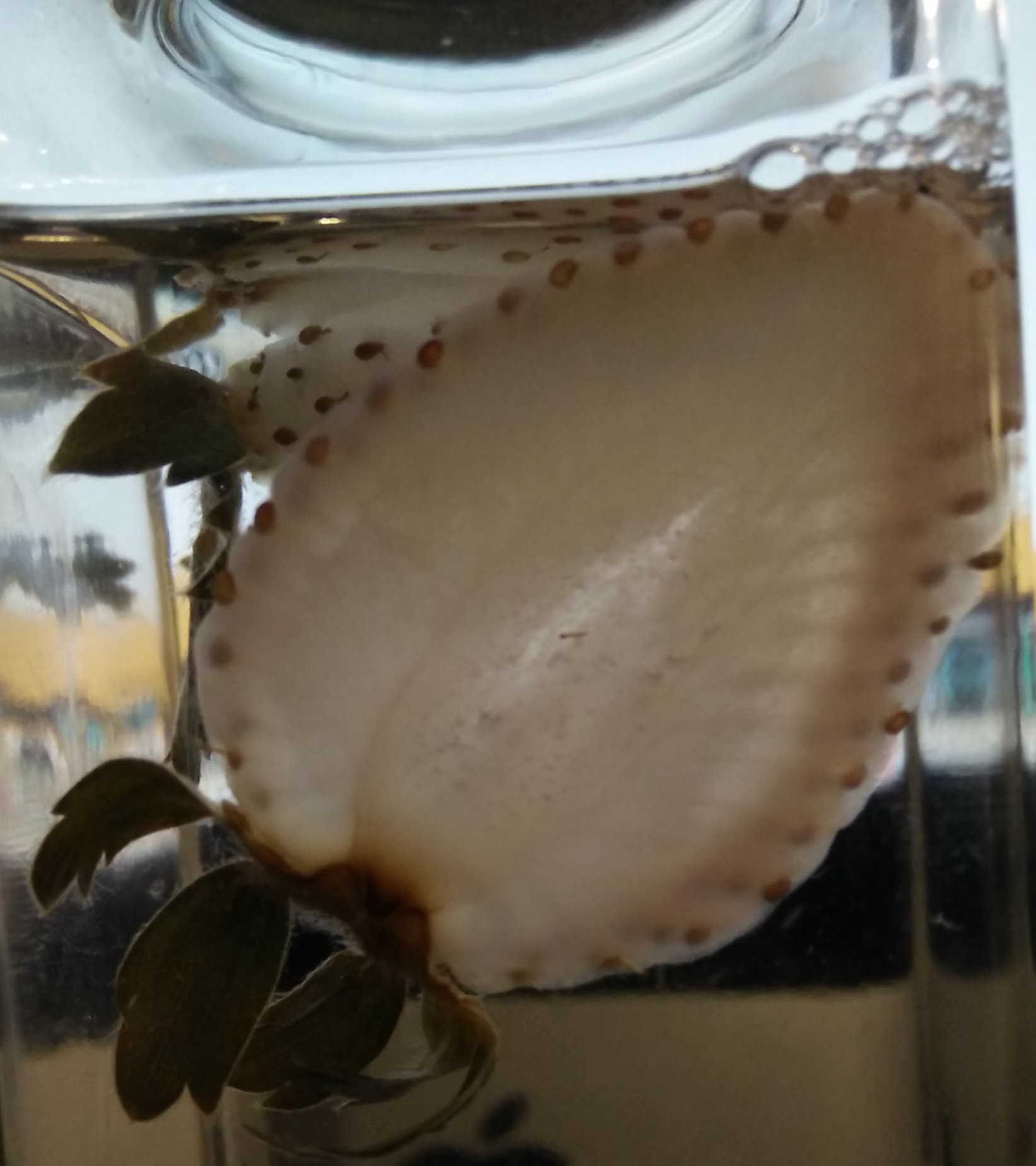
While this can be done on plant cells to just leave behind the cellulose it can also be done on human tissue.
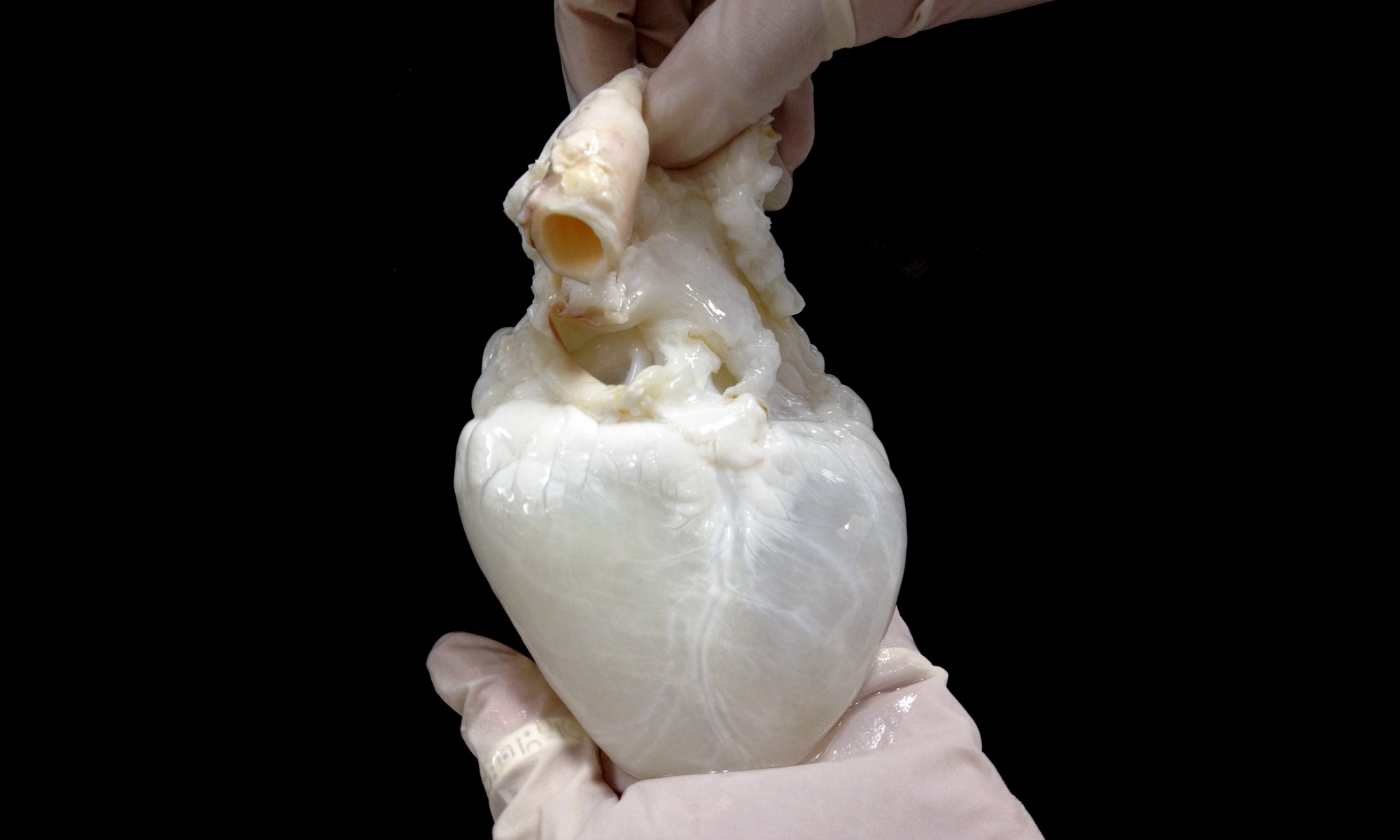
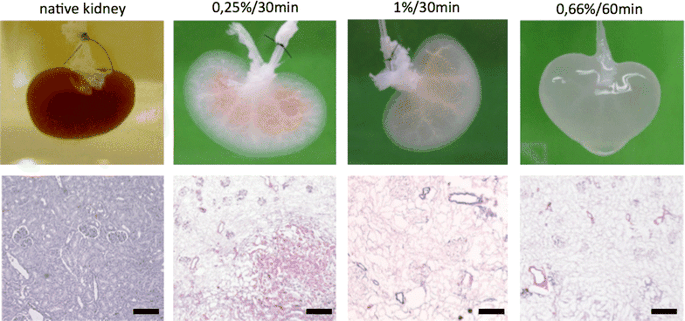
The advantage of decellularization on human tissues is that there are no anigens present once all the cell insides are removed. Once a organ has been decellularized its donors blood type does not matter anymore. A decellularized organ is the perfect blank slate for a transplant as anyone can reccieve it regardless of blood type.
Currently research is being done on the seeding of decellularized plant tissues with human cells. Here is an example of researchers seeding cardiac tissue on a spinach cell scaffold.
Sources:
https://www.ncbi.nlm.nih.gov/pmc/articles/PMC3084613/
https://www.wpi.edu/news/wpi-team-grows-heart-tissue-spinach-leaves
https://www.researchgate.net/figure/Perfusion-decellularization-of-whole-rat-hearts-A-C-Photographs-of-cadaveric-rat_fig2_273155530
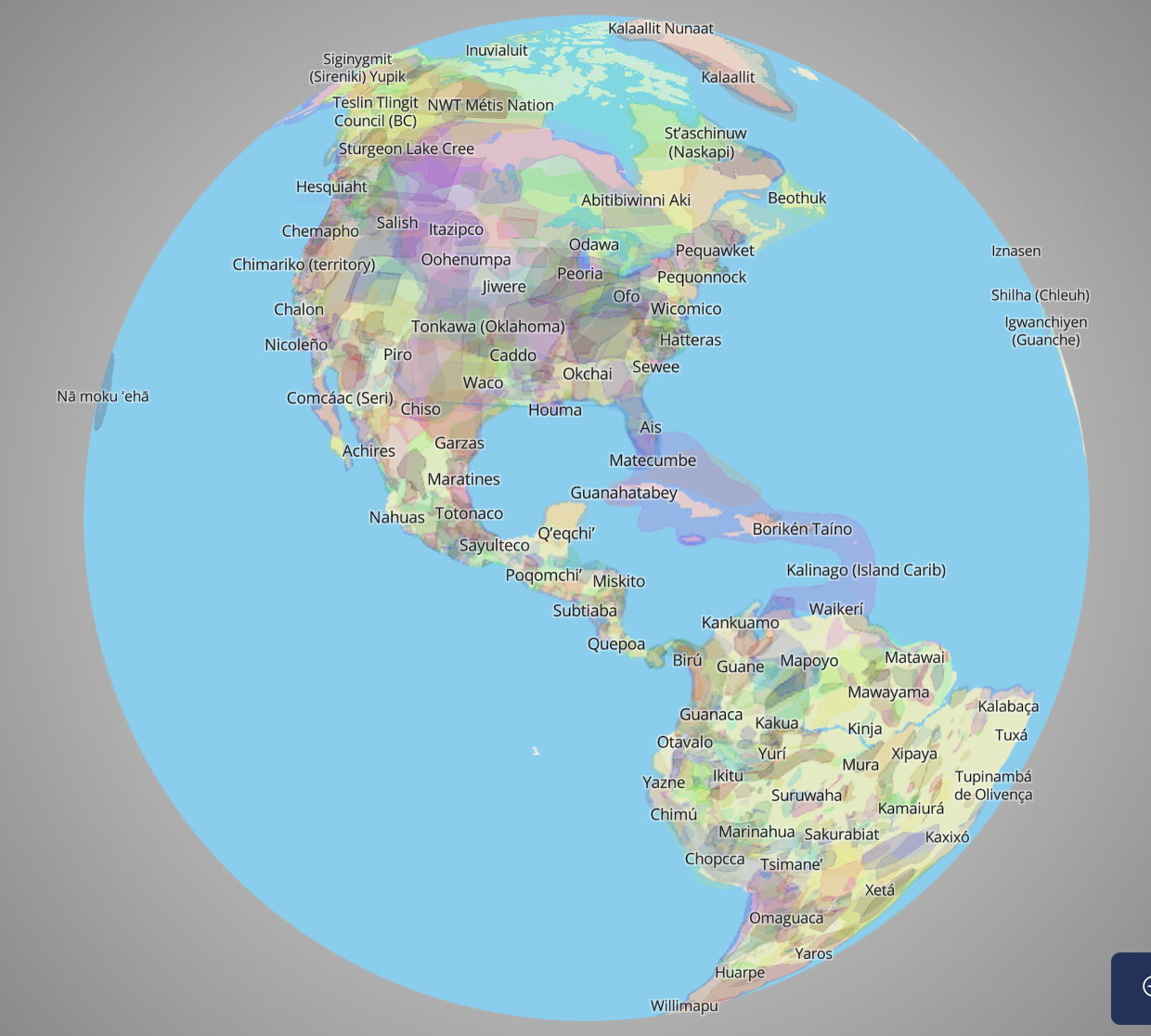
Native Land Digital
https://native-land.ca/maps/native-land